
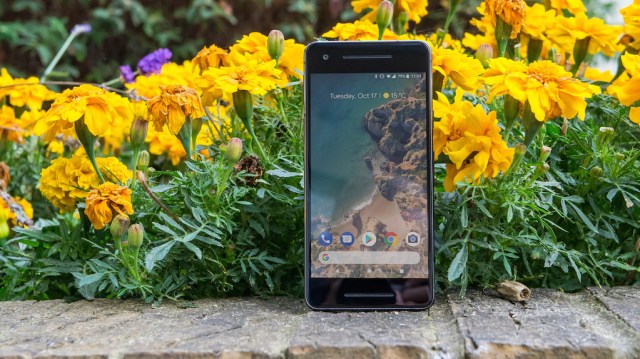
In the world we live in now, images are an important part of our daily lives. With camera phones, it’s easy to take pictures of important times at any time and in any place. But since technology is always getting better and there are so many choices on the market, it can be hard to choose the right camera phone for your needs. In this buyer’s guide, we’ll talk about the most important things to think about when buying a camera phone.
When getting a camera phone, one of the most important things to think about is how good the camera is. Just because a camera has more megapixels doesn’t mean it takes better pictures. Image quality is also affected by other things, such as the size of the opening, image stabilization, and the quality of the lens. Before buying a phone, you should find out what kind of camera it has.
What To Look Out for in a Good Camera Phone
1. Operating system:
Your phone’s operating system has a big impact on how good the camera is. Different operating systems allow cameras to work at different levels. For example, iOS devices are known for having great cameras, while Android devices have a lot of choices and can be changed in many ways. It is important to get a phone with an operating system that works well with your camera.
2. Storage:
Because current camera phones can take high-quality photos and videos, storage has become an important thing to think about. More storage means you can keep more photos and videos on your phone. When thinking about how much storage a phone has, it’s important to remember that some come with extra storage and others do not.
3. Battery life:
Camera phones use a lot of battery power, so it’s important to choose a phone with a battery that lasts a long time. If your phone has a good battery life, you can take photos and videos for longer without having to think about the battery dying. You should also choose a phone that can be charged quickly to cut down on the time it takes to charge your device.
4. Screen size and display:
The size and resolution of a phone’s screen and display are important for taking and looking at pictures. When taking pictures, a larger screen will let you see more details, while a better resolution screen will show more accurate colors and details when viewing pictures.
5. Price:
When buying a camera phone, it’s important to think about how much it costs. Based on what functions they have, different phones have different prices. It is important to choose a phone that fits your price and has the camera features you need.
How Do I know if my Phone Camera is Good or Bad?

With more and more people using their phones as their main camera, it’s important to know if your phone’s camera is good enough. Here are some things to think about when judging the quality of the camera on your phone:
1. Megapixels: The more megapixels your camera has, the better the quality of the photos it can take. But having more resolution does not always mean that the picture quality will be good.
2. Aperture: The size of the hole in your camera lens that lets light in is called the aperture. With a larger aperture, more light can get into the camera, making the pictures brighter and clearer.
3. Image stabilization: A good camera should have image stabilization features that keep pictures from blurring when you move or shake your hands.
4. Low-light performance: It’s important to think about how well the camera on your phone works when there’s not a lot of light. If you want to take better pictures in low light, look for cameras with bigger sensors and lower aperture values.
5. Autofocus: A good camera should have an autofocus system that works quickly and accurately to take shots that are clear and sharp.
6. Color accuracy: Check to see if the colors in your shots are correct or not. A good camera should get the colors right and not make the picture too bright or sharp.
7. Dynamic range: A camera’s ability to catch both bright and dark areas in the same shot depends on its dynamic range. A good camera should have a wide range of light and dark so that there is more information in both.
Overall, a good camera is one that meets your wants and takes pictures that you like. Before you buy a phone camera, it’s important to compare them to make sure you get the best one for your money and needs.
Why iPhone camera is better than Android?

The iPhone camera has been praised for a long time for its great picture quality and advanced features. This makes it one of the best choices for people who like to take pictures with their phones. Many people think that the iPhone camera is better than the camera on an Android phone for a number of reasons.
First, one of the main reasons is that Apple designs both the hardware and software of its products, including the camera. This makes it easier for the camera to work with the rest of the hardware and software on the device, which gives the user a better total experience.
On the other hand, Android devices are made by different companies with different hardware and software configurations. This can cause differences in how well the camera works and how the user feels when using the device.
Second, the camera app on the iPhone is known for being simple and easy to use. The app has a lot of features and settings that are easy to use and understand, so even people who aren’t very good at taking photos can use it to take good ones. Also, some Android camera apps can be hard to use because they have a lot of settings and choices that can be hard to understand.
Another benefit of the iPhone camera is that it can take pictures with bright colors and clear features even when there isn’t much light. This is because the device has sophisticated image processing software that works with the hardware of the camera to create stunning pictures. Even though some Android cameras have gotten better over the years, many still have trouble in low light.
Lastly, the camera on the iPhone is known for taking high-quality movies, thanks to features like 4K resolution and optical image stabilization. This makes it a great choice for vloggers and anyone else who wants to make movies that look professional while on the go.
However, there are some high-end Android devices with great cameras, but the iPhone camera is often thought to be the better choice because it takes better pictures, is easier to use, and has more features.


